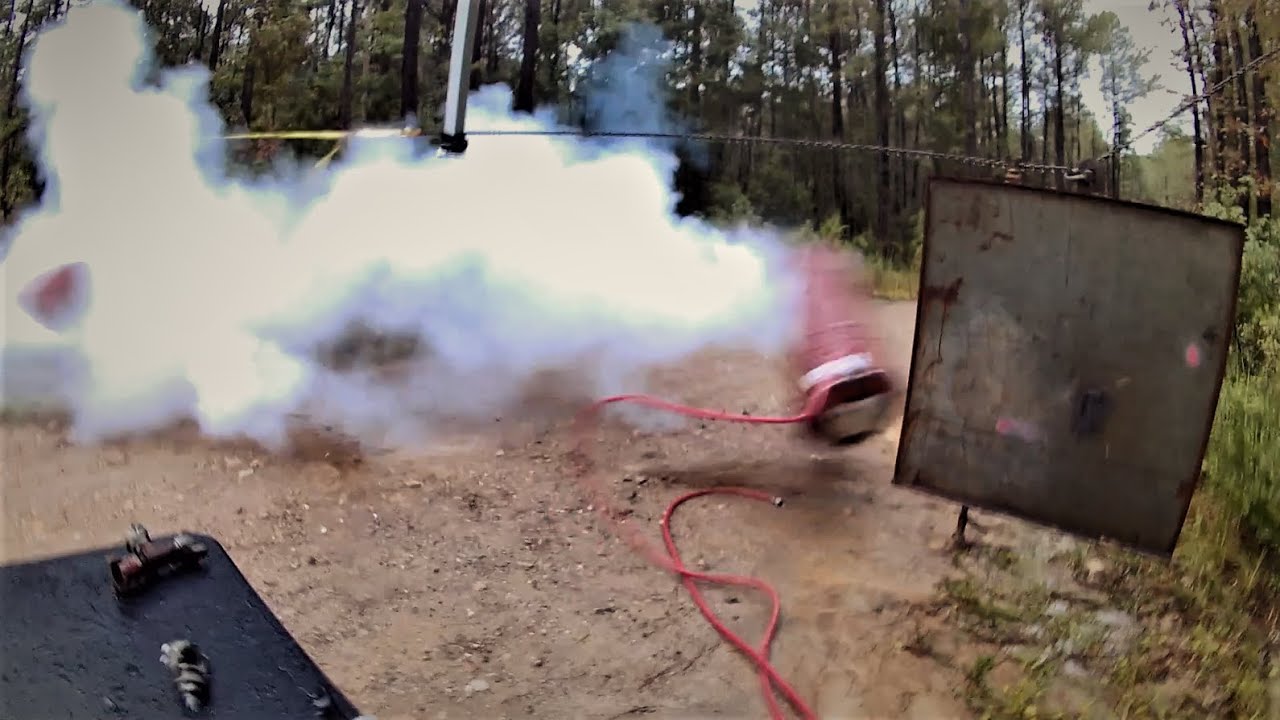
Gas freeing hollow structures prior to hot work can be tricky business. In this video we explore safe techniques for blowing these with air while avoiding overpressurization… and what happens if things go wrong.

NFPA-Certified Marine Chemist Services in and around Charleston, SC
Gas freeing hollow structures prior to hot work can be tricky business. In this video we explore safe techniques for blowing these with air while avoiding overpressurization… and what happens if things go wrong.

“Earlier this week, three workers died in the Bahamas after entering a floating metal tank used to store scrap metal at a dock. The men had been sent to clean the tank when, one by one, they entered the confined space and lost consciousness…”
Verzoni, A. (2021, July 30). Hidden Hazard: Workers’ deaths in the Bahamas highlight a common but sometimes misunderstood phenomenon. NFPA. https://www.nfpa.org/news-blogs-and-articles/nfpa-journal/2021/10/26/our-future-our-floods/bahamas
We are so very excited to extend our warmest welcome and congratulations to our newly-certificated chemist, Patrick A. Beringer, CMC 740! Welcome aboard, Patrick!
Tank cleaners play an integral part in the gas freeing of marine vessels. While the onus is placed on the Marine Chemist to verify that spaces have been properly cleaned and gas freed, the cleaners perform the hard, dirty work to prepare spaces for inspection. In this video we discuss and demonstrate proper tank and piping gas freeing procedures and inspection techniques. We also touch on PPE, equipment, valves, and strainers seen and utilized during these procedures and inspections.